
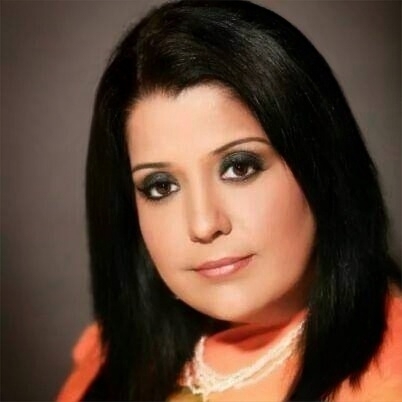
Q&A coaching for state pageants is a structured process that helps contestants think clearly, answer naturally, and communicate with confidence under pressure. At The Tiara Pageant Training Studio, Pageant Coach Ritika Ramtri prepares aspirants through introductions, interview practice, impromptu questions, personal storytelling, current affairs, advocacy, and realistic mock-evaluation sessions.thetiara+1
The purpose is not to memorise hundreds of perfect answers. It is to develop a clear thought process so you can respond authentically to familiar, difficult, and unexpected questions.

Step 1: Understanding Your Story
The first stage of Q&A coaching is identifying the material that makes you distinct. A contestant’s application form, education, profession, family background, achievements, interests, challenges, and goals can all become possible interview topics.
You may be asked about:
- Your hometown or state.
- Your education and career.
- Your achievements.
- A challenge you have overcome.
- Your strengths and weaknesses.
- Why you entered pageantry.
- What you would do with the title.
- The person who has influenced you.
- Your definition of leadership.
- An experience that changed your perspective.
At The Tiara, coaching helps you organise these experiences into clear talking points without turning your answers into memorised speeches.thetiara
Step 2: Building Strong Answer Structures
A good pageant answer should be easy to follow. One useful structure is:
- Answer the question directly.
- Explain your point of view.
- Give a personal example or practical reason.
- Close with a clear takeaway.
For example, if asked, “What does confidence mean to you?” a contestant could answer:
“To me, confidence is trusting yourself even when you are still learning. I understood this when I began speaking in front of audiences and realised that confidence did not come before practice—it came because of practice. Today, I try to prepare seriously while still allowing myself to be genuine.”
This sounds stronger than a general statement such as, “Confidence means believing in yourself and never giving up.”
Step 3: Practising Personal Questions
Personal questions are common in state-pageant interviews because they help judges understand the contestant beyond appearance and stage performance.
Training may include questions such as:
- Tell us something about yourself that is not on your application.
- What makes you different from other contestants?
- What is your proudest achievement?
- What failure taught you the most?
- What is one quality you are still developing?
- What does being a role model mean to you?
- Why should you represent your state?
- How do you respond to criticism?
- What would your friends say about you?
- What responsibility comes with wearing a state title?
The coaching process helps you choose truthful examples, remove unnecessary details, and deliver answers that are concise but meaningful.
Step 4: State-Related Preparation
State-pageant contestants are expected to represent more than themselves. Judges may want to know whether you understand your state’s identity, opportunities, challenges, culture, and people.
A contestant preparing for a state title may practise questions about:
- The state’s culture and heritage.
- A social issue affecting local communities.
- Women’s education and employment.
- Youth opportunities.
- Tourism and entrepreneurship.
- Regional languages and identity.
- Urban and rural development.
- A person from the state who inspires you.
- What makes the state special.
- How you would promote the state with the title.
The answer should not become a list of tourist facts. Stronger responses connect state identity with personal experience and a practical point of view. The Tiara’s state-wise approach encourages aspirants to retain their individual and regional identity rather than using generic pageant language.thetiara
Step 5: Current Affairs and Social Issues
Q&A coaching also includes awareness of issues that may influence society, young people, women, education, health, the environment, technology, and public life.
The objective is not to memorise news headlines. It is to learn how to:
- Understand the issue.
- Separate facts from assumptions.
- Form a balanced opinion.
- Acknowledge different perspectives.
- Suggest practical action.
- Speak respectfully about sensitive topics.
- Admit when you need more information.
For example, if asked about women’s safety, a mature answer may include education, public infrastructure, accountability, reporting systems, family attitudes, and community responsibility rather than offering only a slogan.
Step 6: Advocacy and Beauty with a Purpose
Many state-pageant interviews include questions about a contestant’s cause or social platform. The Tiara helps aspirants develop an advocacy that is connected to their actual experience and long-term interest.thetiara+1
Coaching may cover:
- Choosing a cause that feels personal.
- Understanding the issue in depth.
- Explaining why it matters.
- Identifying the people affected.
- Describing realistic action.
- Connecting the cause to the state or community.
- Presenting the advocacy in a short, clear format.
- Answering questions about limitations or criticism.
A strong advocacy answer should show sincerity and understanding. It should not sound like a campaign slogan selected only because it appears impressive.
Step 7: Rapid-Fire and Impromptu Practice
State-pageant interviews may move quickly from one topic to another. Rapid-fire practice helps contestants answer without freezing, overthinking, or losing their composure.
A typical practice session may include questions about:
- Your favourite book or public figure.
- A current issue.
- Your biggest fear.
- A personal value.
- A controversial opinion.
- Your state.
- Your advocacy.
- Your career goals.
- A hypothetical situation.
- A question designed to challenge your assumptions.
The coach observes more than the words. Feedback may address:
- How long you take to begin.
- Whether you answer the actual question.
- Pace and clarity.
- Repeated filler words.
- Eye contact.
- Facial expression.
- Body language.
- Whether your conclusion is clear.
Step 8: Mock Interviews with Feedback
Practice becomes most useful when it resembles the real interview. The Tiara’s pageant preparation includes interview and Q&A training as part of a wider program covering introductions, ramp walk, stage presence, grooming, advocacy, and personalised strategy.
A mock interview may involve:
- Entering and greeting the panel.
- Sitting with correct posture.
- Listening carefully.
- Answering timed questions.
- Handling follow-up questions.
- Responding to an interruption or change of topic.
- Maintaining composure after a difficult question.
- Closing the interview professionally.
After the session, you receive corrections and repeat the answer or interview until the improvement is visible.
Step 9: Improving Delivery
A strong answer can lose impact if the delivery appears nervous, rushed, flat, or over-rehearsed. Q&A coaching therefore works on how the answer sounds and looks.
Key areas include:
- Speaking at a controlled pace.
- Using pauses instead of fillers.
- Emphasising important words.
- Maintaining natural eye contact.
- Keeping shoulders relaxed.
- Using limited, purposeful gestures.
- Smiling when appropriate.
- Avoiding nervous movements.
- Ending with confidence rather than trailing off.
The aim is not to create a dramatic performance. It is to help you sound like a composed, thoughtful version of yourself.
Step 10: Learning to Handle Difficult Questions
A state-pageant contestant may face a question she has not prepared for. Coaching teaches you how to pause, think, and respond without panic.
A useful approach is:
- Take a brief moment to understand the question.
- Rephrase it mentally if necessary.
- Give your honest position.
- Explain your reasoning.
- Offer a practical or balanced conclusion.
If you do not know enough about a factual topic, it is better to acknowledge that honestly than to invent an answer. You can say:
“I would not want to comment without understanding the facts properly. I believe this is an issue that deserves informed discussion, and I would take time to learn more before forming a strong opinion.”
Composure and honesty can be more effective than trying to sound certain about something you do not understand.
What Makes The Tiara’s Q&A Coaching Different?
At The Tiara, Q&A preparation is part of complete pageant development rather than an isolated question bank. Training connects your answers with your:
- Introduction.
- Personal story.
- State identity.
- Advocacy.
- Stage presence.
- Grooming and image.
- Future goals.
- Overall titleholder profile.
One-on-one coaching can be customised according to your experience, target pageant, strengths, and areas needing improvement. Training is available in Pune and online, subject to the selected program and schedule.thetiara
The Tiara’s wider coaching approach has supported aspirants preparing for state selections, national pageants, international competitions, and online pageant platforms. Its published training areas include Q&A, interviews, introductions, ramp walk, grooming, advocacy, and competition strategy.
A Practical Q&A Practice Routine
You can continue improving between coaching sessions with this routine:
- Record a 60-second answer every day.
- Practise one personal, one state-related, and one social-issue question.
- Watch the recording without judging yourself too quickly.
- Note filler words, rushed delivery, and unclear points.
- Rewrite only the structure—not the entire answer.
- Repeat the answer using natural language.
- Practise with someone who can ask follow-up questions.
- Read reliable news sources and form your own opinions.
- Review your state’s current issues and achievements.
- Keep answers concise enough to hold attention.
Final Thought
Q&A coaching for state pageants is not about sounding perfect. It is about becoming clear, thoughtful, composed, and authentic when the judges are listening closely.
With structured practice at The Tiara Pageant Training Studio, aspirants can develop stronger introductions, sharper answers, better awareness, confident delivery, and the ability to represent their state with personality and purpose.thetiara+1
The Tiara Pageant Training Studio
Pageant Coach: Ritika Ramtri
Pune, Maharashtra
Website: www.thetiara.net
Email: contactus@thetiara.net
Phone/WhatsApp: +91 98231 56193
Leave a Reply